Stone Processing Plant Digital Transformation | Smart Manufacturing Upgrade for Stone Industry
2026-09-11 09:42:41
Click:
“
The global stone processing industry is undergoing comprehensive industrial upgr
”
The global stone processing industry is undergoing comprehensive industrial upgrading. Traditional stone processing plants that rely on manual operation and empirical production face prominent operational challenges, including excessive stone material waste, unstable processing precision, low production capacity, backward factory management and rising labor costs. In the Industry 4.0 era, digital transformation is no longer an optional upgrade for stone enterprises, but an essential and necessary path for stone processing plants to implement smart manufacturing and sustain long-term market competitiveness.
Every core link of stone production — from raw stone block cutting, slab polishing and custom special-shaped stone processing to quality inspection, inventory management and order delivery — can be fully optimized through digital and intelligent technologies. A growing number of professional stone manufacturers are phasing out outdated manual workflows by adopting automated CNC processing, IoT real-time production monitoring and data-driven management systems, enabling standardized, lean and intelligent stone production operations.
The Main Pain Points of Traditional Stone Processing Plants
Most traditional stone processing workshops operate with extensive production modes, severely restricting enterprise development. Firstly, manual cutting and manual material nesting lead to severe stone material waste, resulting in low utilization rates of stone blocks and slabs. Secondly, pure manual operation causes inconsistent processing precision, often leading to dimensional deviations, uneven polishing surfaces and defective finished stone products.
In terms of factory management, traditional stone processing plants lack real-time production data support. Production scheduling, equipment maintenance, order tracking and quality inspection records rely entirely on manual statistics, which easily cause order delivery delays, frequent equipment downtime and uncontrollable product quality. These prevalent industry pain points make digital and intelligent upgrading an irreversible trend for modern stone processing enterprises.
How Digital Transformation Empowers Stone Smart Manufacturing
Digital transformation for the stone industry focuses on practical, production-oriented upgrades. It applies mature digital technologies to the entire stone processing workflow, covering intelligent material nesting, automatic cutting, CNC shaping, intelligent quality inspection and full-link digital factory management, fundamentally solving the pain points of traditional stone production.
1. Intelligent Nesting and CNC Cutting to Reduce Stone Waste
Traditional manual nesting depends entirely on workers’ experience, inevitably causing high slab waste and low raw material utilization. Modern digital stone factories adopt intelligent nesting software to automatically calculate optimal cutting paths and solutions. Combined with high-precisionCNC stone cutting machines and bridge cutting equipment, the system maximizes the utilization rate of stone blocks and slabs, effectively reduces raw material loss, and significantly improves the economic benefits of stone processing.
2. IoT Production Monitoring for Full Process Visibility
By installing professional IoT sensors on core stone processing equipment such as cutting machines, edge polishing machines and surface polishing machines, smart stone factories realize 24/7 real-time monitoring of equipment operating status, production progress, working hours and energy consumption. All production data is intuitively displayed on digital visualization screens, enabling managers to grasp workshop operation conditions in real time and completely eliminate management blind spots.
3. AI Quality Inspection to Stabilize Stone Product Quality
Engineering stone, decorative stone and customized special-shaped stone products have strict and standardized quality requirements. Traditional manual quality inspection is prone to omission, misjudgment and inconsistent inspection standards. Modern smart stone factories adopt advanced AI visual inspection technology to automatically identify stone defects including cracks, color differences, missing corners and flatness errors, ensuring stable, uniform and reliable finished stone product quality.
4. Digital Management System for Lean Production
The professional stone digital management platform integrates full-function modules including order management, intelligent production scheduling, material inventory management, quality traceability and equipment predictive maintenance. The system intelligently optimizes production arrangement based on order priority, effectively avoids order backlog and delivery delays, and realizes standardizedlean manufacturing for stone processing plants. Meanwhile, predictive maintenance technology effectively reduces unplanned equipment downtime and comprehensively improves overall production line efficiency.
Core Benefits of Smart Manufacturing for Stone Factories
Digital transformation and smart manufacturing upgrading bring three core advantages to stone processing plants: cost reduction, quality optimization and efficiency improvement. Firstly, intelligent nesting and automated CNC processing drastically reduce stone raw material waste and labor input costs. Secondly, unified digital production standards and precise CNC operation ensure high-precision, consistent stone products, greatly enhancing brand reputation and customer satisfaction. Thirdly, data-based refined management optimizes the entire stone processing industrial chain and significantly improves factory output and order delivery efficiency.
Whether for small and medium-sized stone processing workshops or large-scale stone industrial parks, digital and intelligent upgrading effectively solves the industry’s common problems of high consumption, low efficiency and extensive management. It helps stone enterprises fully adapt to increasingly stringent market requirements and environmental protection standards, laying a solid foundation for sustainable operation.
Conclusion
The global stone processing industry has fully entered the digital and intelligent development era. Traditional manual production modes and extensive management can no longer adapt to modern market competition and industry development trends. Digital transformation is undoubtedly the essential path for stone processing plants to achieve comprehensive smart manufacturing. By integrating CNC automation, IoT real-time monitoring, AI intelligent quality inspection and professional digital management systems, stone enterprises can realize sustainable development with lower production costs, higher operational efficiency and better product quality.
In the future, only stone processing enterprises that actively embrace digital transformation and intelligent upgrading can continuously strengthen core competitiveness and maintain a leading position in the increasingly competitive global stone industry.
Author:
XIAMEN STONEPLUS MACHINERY CO., LTD.
0
More News
-

CPM Automatic Calibrating and Polishing Machine | Custom Marble & Concrete Strip Processing Machine
-
Tumbling machine-T600, packed for shipment~
-
Water Wall Dust Extractor for Stone Cutting & Grinding | StonePlus
-
4/5 Axis CNC Bridge Saw with Onboard Camera, Stone Slab Vision Positioning, No Need Return Origin, Start Cutting At Any Position
-
Water Wall Dust Collector | Wet Dust Booth for Stone Fabrication Ready for Shipment
-
Hand Polishing Machine | Manual Radial Arm Stone Polisher for Granite Marble


-
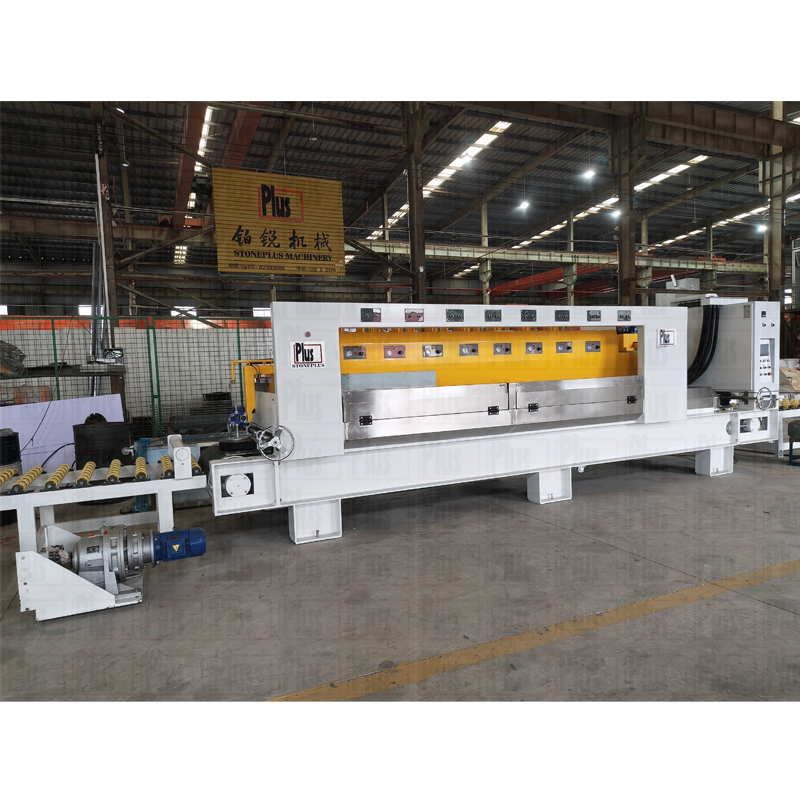
CPM Automatic Calibrating and Polishing Machine | Custom Marble & Concrete Strip Processing Machine
2026-09-30
The CPM Automatic Calibrating and Polishing Machine is purpose-built for grinding and polishing strips of marble and concrete for stone fabrication factories.
-
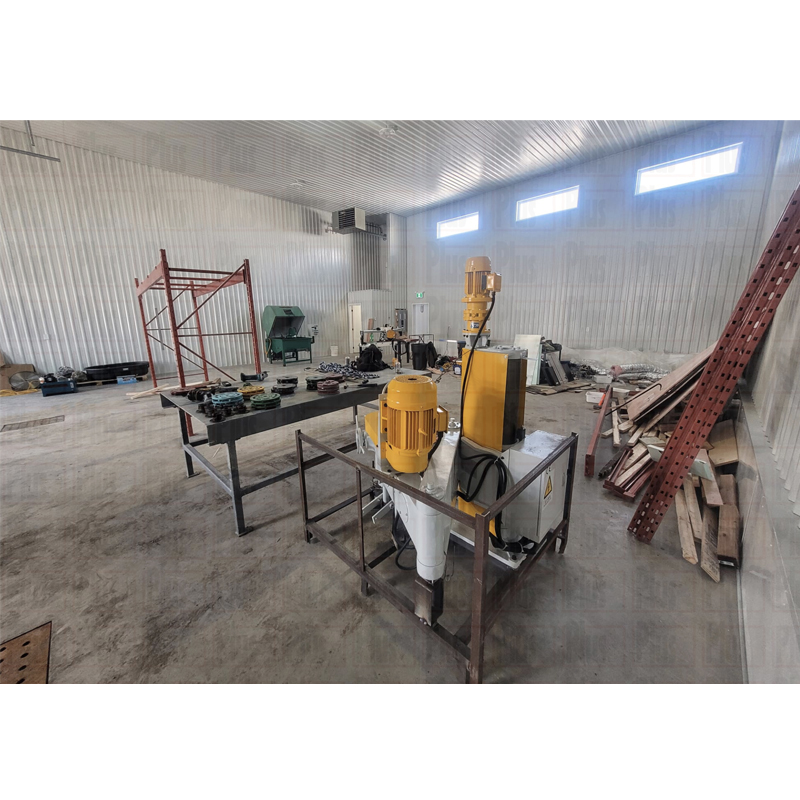
Tumbling machine-T600, packed for shipment~
2026-09-24
Our stone tumbling machine (vibratory finishing tumbler) is fully packed and rea
-
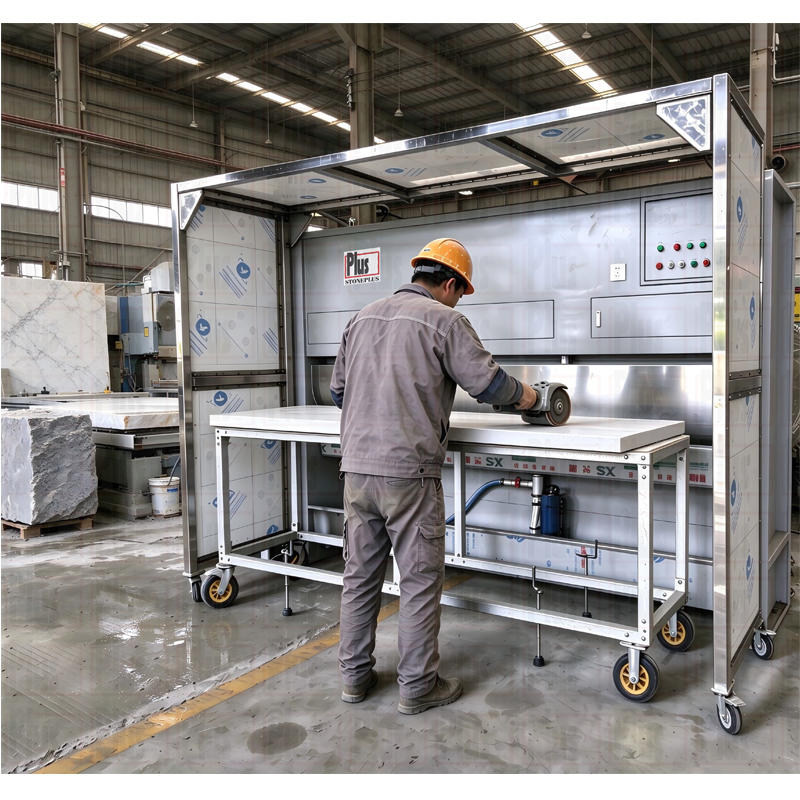
Water Wall Dust Extractor for Stone Cutting & Grinding | StonePlus
2026-09-22
What is a water wall dust extractor?A water wall dust extractor (also called a w
-
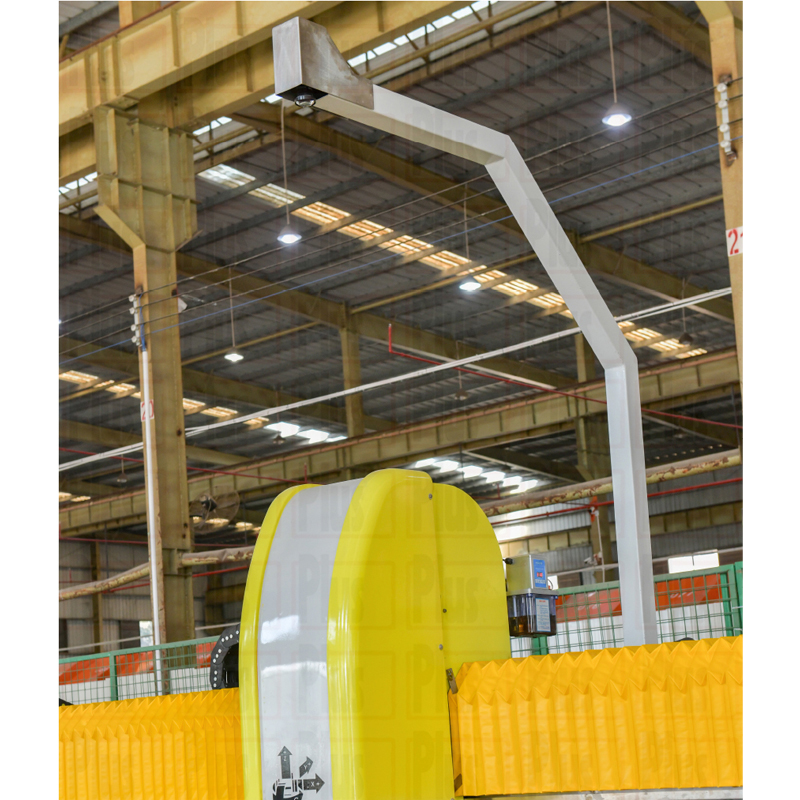
4/5 Axis CNC Bridge Saw with Onboard Camera, Stone Slab Vision Positioning, No Need Return Origin, Start Cutting At Any Position
2026-09-21
Stoneplus 4-axis & 5-axis CNC bridge saw equipped with onboard camera. The camer
-
Water Wall Dust Collector | Wet Dust Booth for Stone Fabrication Ready for Shipment
2026-09-17
Water Wall Dust Collector finished in factory workshop, ready for packing and sh
-
Hand Polishing Machine | Manual Radial Arm Stone Polisher for Granite Marble
2026-09-15
Hand Polishing Machine from customer

Contact Us
 info@stoneplus.cn
 +86 592 6218808
 +86 13505053519
 No.11, Dongsheng Road, Andong Industrial Park, Jinjiang Economic Development Zone, Jinjiang, Fujian, 362200, China
Copyright © Stoneplus Machinery Co., Ltd. All Rights Reserved. Design:Peggy